
The coronavirus pandemic and our subsequent (partial) economic shutdown to try to contain it has exposed a number of deep structural injustices in our society. Ongoing institutionalized racism has become more obvious as we witness the disproportionate deaths of people of color due to COVID-19. Structural food insecurity is evidenced in the breakdown of our food supply chain and our inability to divert enormous stocks of cattle, pigs, chicken, fruits and vegetables to food banks and food pantries’ grocery giveaways, leading to the waste and destruction of enormous food supplies. And economic insecurity and poverty have ravaged communities and households all across the country as tens of millions have lost jobs and are unable to pay rents or mortgages, buy food, pay for medications, and care for their children adequately.
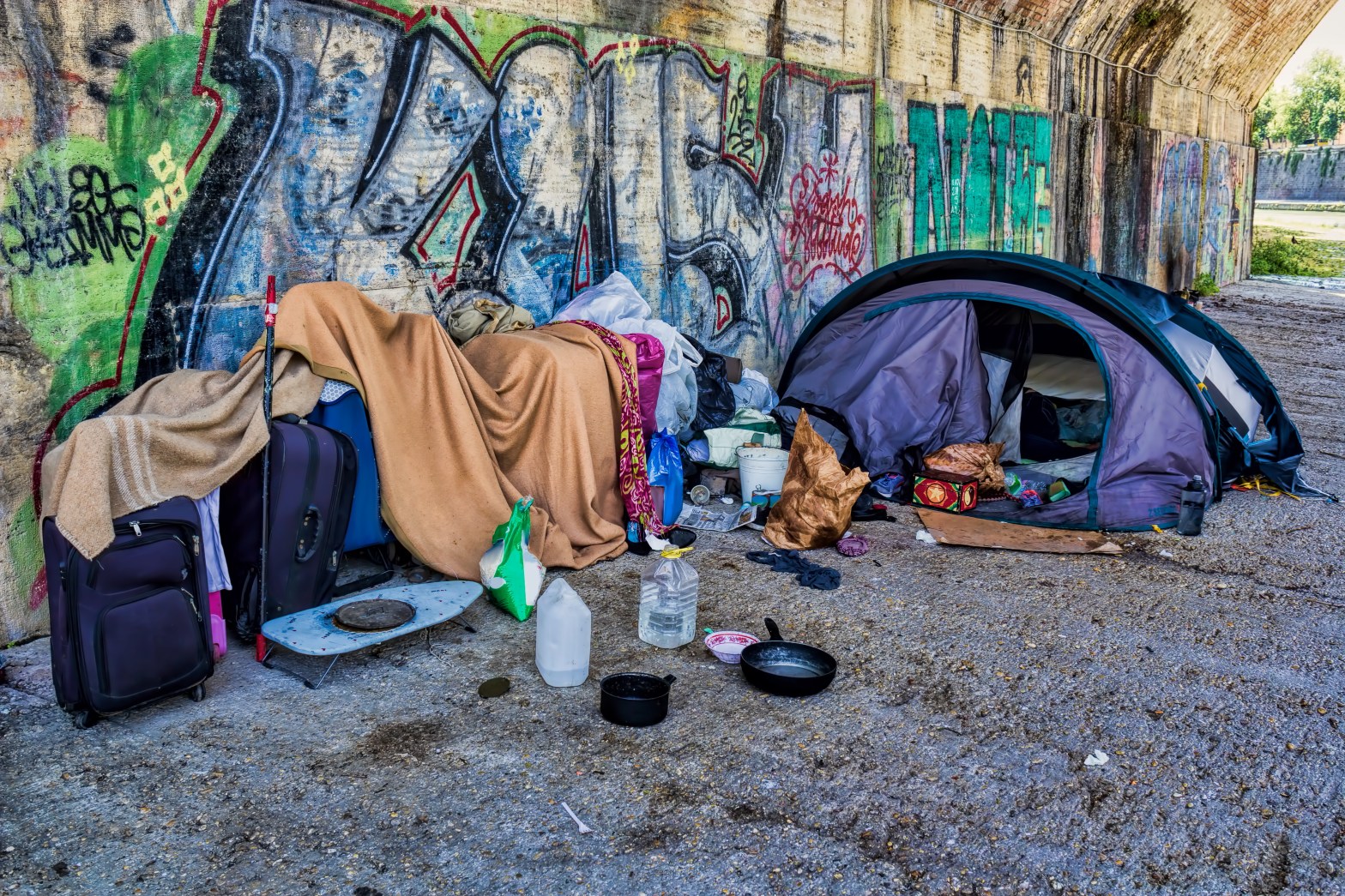
The impact on those who are housing insecure has been devastating as well, although perhaps less visible. For those already living at the margins—in temporary shelters, in encampments under bridges, in transitional shelters, squatting in abandoned structures—the impacts of our pandemics of COVID-19, racism and poverty are devastating. The incidence of COVID-19 deaths in homeless shelters is likely two to three times higher than the general population.[1] The breakdown or shutdown of feeding programs, due to social distancing orders, has led to tremendous increases in hunger and malnutrition among those who lack housing. The growing and impending explosion in numbers of evictions and foreclosures will place tremendous strains on the housing market that is already failing to produce adequate affordable housing. Prior to the COVID-19 pandemic shutdown, the Washington Council of Governments found that the DC metro area already had a shortage of over 240,000 affordable housing units.[2] The mismatch between affordable units and households’ ability to rent or buy those units will be substantially larger in the aftermath of this economic downturn and the widespread job loss we are now experiencing.
We must insist that every person has the right to safe, secure and stable affordable housing.
The provision of safe, secure and stable affordable housing has to be among the top priorities of rebuilding our society. People cannot flourish and contribute their talents to the larger community when they are trapped in a struggle for physical survival. Housing First is a simple mantra for us to keep in mind as we are working together to rebuild our society after the COVID-19 crisis dissipates. We must insist that every person has the right to safe, secure and stable affordable housing. We have the policy tools and financial resources to make this a reality. What we are lacking is the compassionate heart to proclaim the right of all people to housing as a basic human right. What we are lacking is the clarity of justice-seeking vision that understands the systemic failures of our so-called housing market that fails to produce adequate safe, secure and stable affordable housing. What we are lacking is the moral courage and the political will to prioritize Housing First as a key means of restoring and maintaining human dignity and ensuring opportunity for full human flourishing for all.
As we rebuild our economic, political, and social systems in the post-COVID-19 era, let us resolve to address the failed policies and institutions that have created the chronic condition of homelessness. Let us commit to using the policy tools and community institutions that can create adequate supplies of safe, secure and stable affordable housing. Let us ensure each person’s human dignity and development of their fullest capability so that all may flourish and contribute their gifts to the greater community.
[1] https://www.factcheck.org/2020/05/false-perception-of-covid-19s-impact-on-the-homeless/
[2] https://www.mwcog.org/newsroom/2019/09/11/officials-set-regional-housing-targets-call-for-collaboration-to-address-production-and-affordability-challenges/
 Grace In Action